
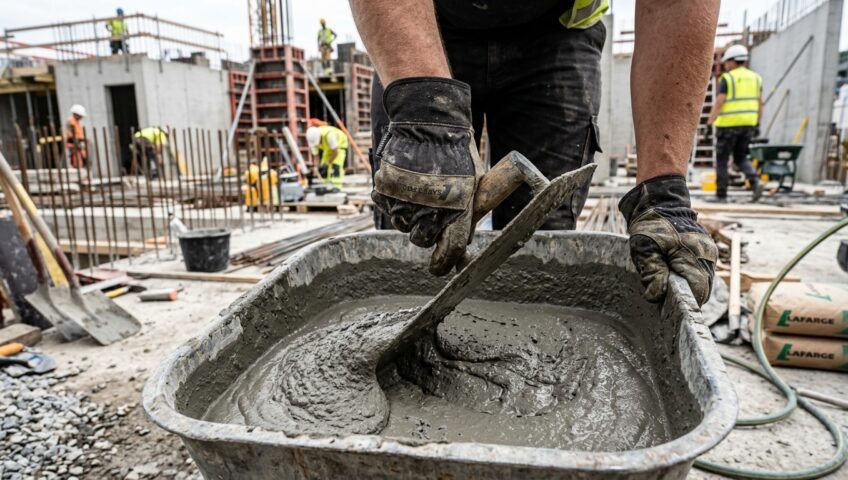
The Dangers of Stored Cement: Why Freshness Matters for Structural Integrity

The Dangers of Stored Cement: Why Freshness Matters for Structural Integrity

When it comes to building a house or commercial plaza in Pakistan, the freshness of your cement is directly proportional to the structural integrity of the building. Stored cement absorbs moisture from the atmosphere, leading to pre-hydration and lump formation that severely degrades its compressive strength. To ensure maximum safety and durability, Ammad Trading supplies factory-fresh Lucky Cement delivered directly from the plant to your construction site.

What Happens When Cement is Stored Too Long?

Cement is a highly reactive material. Even in seemingly dry conditions, microscopic moisture in the air penetrates the bags. This triggers a slow chemical reaction known as pre-hydration. The longer the cement sits in a warehouse or on a retail shop floor, the more strength it loses.

  • After 3 Months: Cement loses approximately 20% of its original strength.
  • After 6 Months: The strength loss increases to nearly 30%.
  • After 12 Months: Cement can lose up to 40% to 50% of its strength, rendering it highly dangerous for critical structural applications like roof slabs or columns.

The Risk of “Lumpy” Cement

If you open a bag of cement and find hard lumps that cannot be easily crushed between your fingers, moisture damage has occurred. Contractors often mistakenly use this cement for non-load-bearing elements like plastering to save costs. However, this still leads to weak adhesion, excessive cracking, and a poor finish that will require expensive maintenance in the near future.

Why Fresh Lucky Cement is the Safest Investment

Authorized dealers are required to maintain strict quality controls, but the best way to guarantee freshness is to eliminate warehouse storage entirely. Because Ammad Trading owns and operates one of the largest private transport fleets in the Rawalpindi and Islamabad region, we bypass the middleman’s warehouse. Your order of Lucky Cement is loaded straight from the manufacturing plant and dispatched to your site on the same day.

Protect Your Investment

Don’t risk the safety of your family or the structural soundness of your commercial project to save a few rupees on old stock. Demand factory-fresh supply. Contact Ammad Trading to schedule your direct delivery of fresh Lucky Cement today.
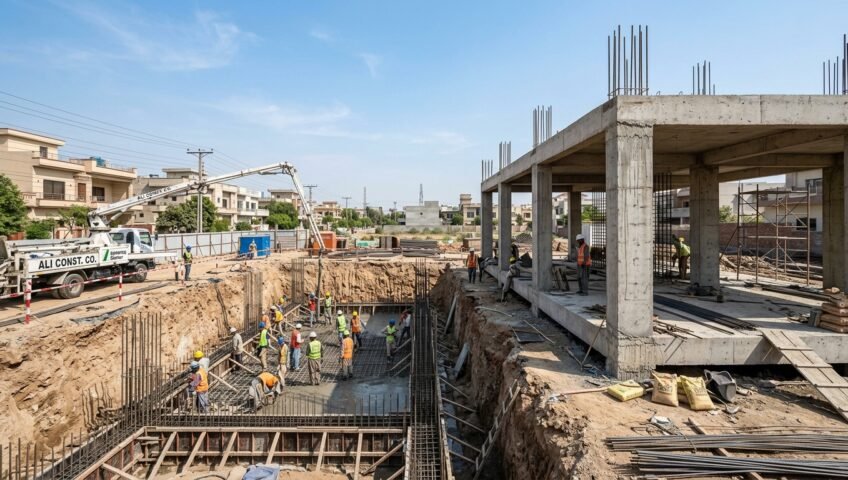
OPC vs SRC Cement: Which is Best for House Construction in Pakistan?

OPC vs SRC Cement: Which is Best for House Construction in Pakistan?

When constructing a house in Pakistan, Ordinary Portland Cement (OPC) is best suited for general structural work like roof slabs and columns, whereas Sulphate Resistant Cement (SRC) is specifically required for foundations in water-logged or saline areas. Choosing the right cement type ensures the long-term durability of your home. As a trusted Lucky Cement Authorized Partner since 2016, Ammad Trading provides both OPC and SRC directly from the plant to your site.

Understanding the Differences: OPC and SRC

Ordinary Portland Cement (OPC) is the standard, multi-purpose cement used in the majority of general construction. It offers excellent compressive strength and a reliable setting time, making it ideal for the superstructure of a house.

Sulphate Resistant Cement (SRC), on the other hand, is chemically engineered to resist sulphate attacks. Sulphates are naturally occurring salts found in soil and groundwater, particularly in specific sectors of DHA and Bahria Town, which can severely degrade standard cement over time.

Where to Use OPC vs SRC in Residential Construction

Using the correct cement at the correct stage of construction prevents structural failure and expensive repairs.

  • Foundations and Basements: If your plot is in a water-logged area or has high soil salinity, you must use SRC. It prevents the foundation from crumbling under chemical attack from the groundwater.
  • Roof Slabs, Columns, and Beams: For all above-ground structures, OPC is the superior choice. It provides the necessary rapid strength development and structural load-bearing capacity required for the core frame of the house.
  • Plastering and Masonry: OPC is generally preferred for brickwork and plastering due to its smooth finish and strong binding properties.

Technical Comparison: OPC vs SRC

FeatureOrdinary Portland Cement (OPC)Sulphate Resistant Cement (SRC)
Primary Use CaseRoof slabs, columns, beams, general masonryFoundations, basements, water-retaining structures
Sulphate ResistanceLowHigh
Setting TimeStandardSlightly slower than OPC
CostStandard market rateSlightly higher premium

The Importance of Fresh Supply for Both Types

Whether you are ordering OPC for your roof slab or SRC for your foundation, freshness is critical. Cement begins losing its strength if stored in humid warehouses. Ammad Trading guarantees that every bag of Lucky Cement delivered to your site is factory-fresh. Utilizing one of the largest private transport fleets in the twin cities, we bypass long storage times and ensure that your construction materials perform exactly as engineered.

Order Bulk Cement for Your Project Today

Are you starting a new construction project in Islamabad or Rawalpindi? Ensure your structural integrity by sourcing fresh, high-performance Lucky Cement. Contact Ammad Trading today for bulk supply quotes and let our private fleet manage your just-in-time delivery.